
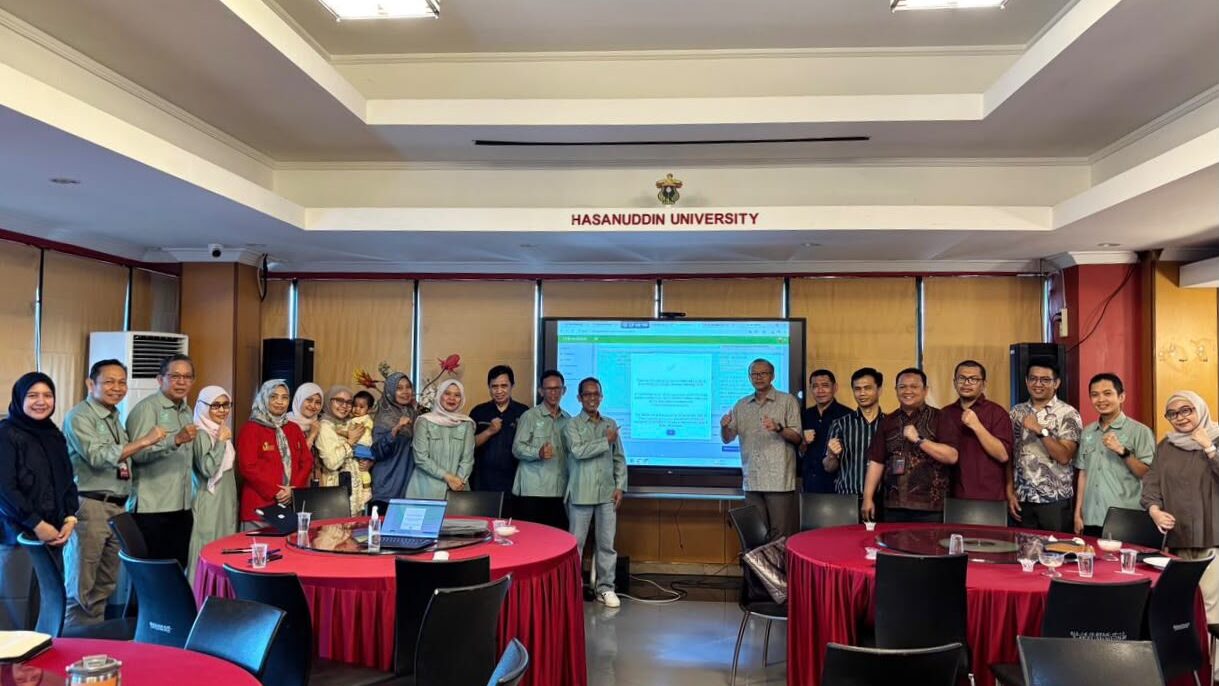
Amid the ongoing climate crisis and growing pressure on universities to contribute to sustainable development, Universitas Hasanuddin (Unhas) has completed its final submission for the UI GreenMetric World University Rankings 2026 on Thursday, July 9.
This step forms part of Unhas’s broader effort to strengthen environmentally responsible campus governance while boosting its competitiveness on the global stage.
The UI GreenMetric ranking assesses various dimensions of campus sustainability, including energy management, water and waste handling, transportation, and digitalization. Because of this, the university’s submission process was not merely administrative — it also took a scientific approach to ensure that all data genuinely reflected real conditions on the ground.
According to the Head of the Unhas UI GreenMetric Team, Prof. Dr. Ir. Arifuddin, M.T., every piece of data submitted went through a rigorous verification process. He explained that this step reflects Unhas’s genuine commitment to applying sustainability principles in practice.
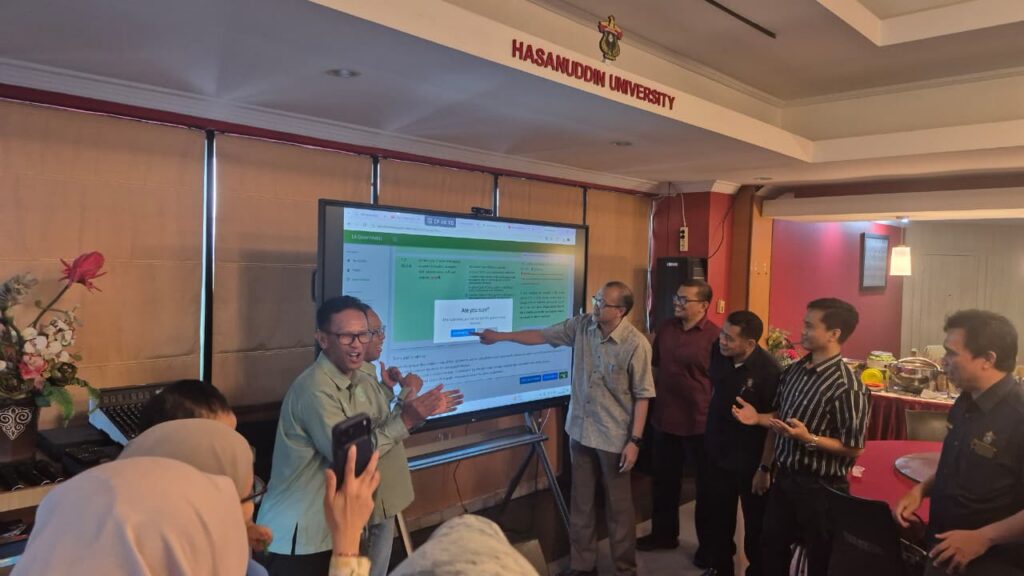
“Every piece of supporting evidence goes through a verification process to ensure it truly reflects the actual state of sustainability implementation at Unhas,” said Prof. Arifuddin.
He added that the preparation of the UI GreenMetric document follows an evidence-based management approach — meaning decisions are made based on measurable, accountable data.
“Data serves as the foundation for evaluating policy effectiveness, identifying weaknesses, and formulating better sustainability strategies going forward,” he said.
Meanwhile, Unhas Secretary Dr. Amiruddin noted that preparing the UI GreenMetric document involves multiple faculties and units across the university — from energy managers and waste management teams to transportation services and information technology units — all collaborating as part of an interconnected sustainability ecosystem.
“We hope this year’s assessment results will not only improve Unhas’s international ranking position, but also strengthen the university’s contribution to achieving the Sustainable Development Goals (SDGs), where cross-sector collaboration becomes a vital asset in driving Unhas’s transformation toward a more sustainable campus,” said Prof. Amiruddin.